
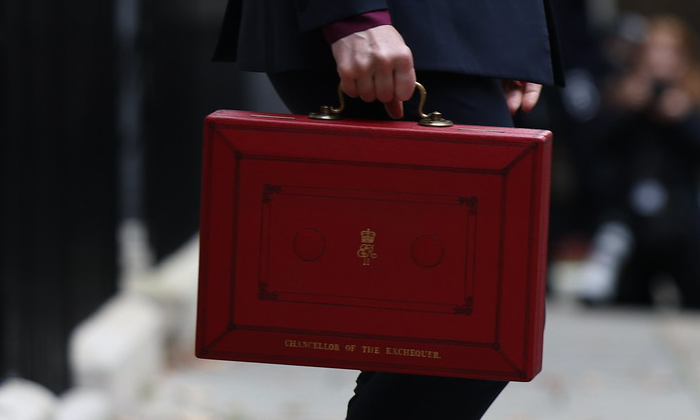
The Treasury collected a record £9bn of Insurance Premium Tax (IPT) receipts in the last financial year, according to HM Revenue and Customs.
Furthermore, Inheritance Tax income also hit a fresh high at £8.5bn, a fifth consecutive year of growth.
Collecting £88m from IPT in March took the total for the 2025/26 financial year to £9.04bn, beating the £8.88bn paid last year by £157m.
Broadstone argued that rising demand for private medical insurance (PMI) has played a role in IPT hitting another high and will continue to do so.
Indeed, the tax is predicted to be worth £57.8bn between 2025/26 and 2030/31, the Office for Budget Responsibility estimates – a £500m upgrade following the Budget in November.
Cara Spinks, head of life and health at Broadstone, said another record year for IPT receipts reflected how significant this tax had become for the public finances.
“Rising demand for health insurance, particularly private medical insurance, continues to be a key driver,” she said.
“Individuals and employers are increasingly looking for faster access to care against the backdrop of sustained pressure on the NHS.
“However, higher premiums combined with IPT are adding to cost pressures and risk limiting access at precisely the point demand is increasing.
“With IPT revenues expected to rise further, there is a strong case for government to revisit how the tax applies to health insurance.
“A more nuanced approach, aligned with the objectives of the Keep Britain Working Review, could improve access to these products, support employers, and help relieve pressure on public services.”
‘Pulled into the tax net’
On Inheritance Tax, Susannah Streeter, chief investment strategist at Wealth Club, said the government had “arguably” made a mess of reform.
“The government crackdowns on farmers and business owners proved unpopular and ultimately unworkable, forcing a partial retreat on relief thresholds,” she said.
“But years of frozen allowances, combined with new rules that will bring pensions into the scope of IHT, mean more ordinary families, not just the wealthy, are being pulled into the tax net.
“Recent reporting also highlights growing frustration that Inheritance Tax is increasingly affecting middle-income households, particularly those whose wealth is concentrated in property or retirement savings.
“Frozen thresholds, unchanged for years, mean more estates are being pulled into liability even without meaningful gains in real-terms wealth.”
She then pointed to 14,000 bereaved families who have been investigated for potentially underpaid Inheritance Tax in the past three years.
“Taken together, rising asset values, static allowances and expanding reporting requirements are creating a system that is increasingly out of step with economic reality, drawing in estates that would previously have fallen outside the inheritance tax net and catching many families off guard,” she added.