
Manual workers remain the least protected demographic when it comes to income protection (IP) despite being fearful of experiencing accidents at work, according to research.
National Friendly research found just 4% of manual workers had income protection and only 1% had some sort of accident protection policy.
However, one in four manual workers (23%) thought they were likely to have a workplace accident in the next one to three years, higher than the national average of 19%.
The survey of 5,000 UK adults also found more manual workers (36%) than the national average (34%) had never considered what they would do if they had a non-fatal accident that impacted their finances.
However the mutual’s latest edition of its Bruised Britain report found a third (33%) of manual workers would be likely to purchase some more of accident protection plan if pricing was more affordable while clear examples of what is and is not covered would be more encouraging for 15% of respondents.
Focus on underserved groups
The insurer said it saw non-traditional protection policies as a vital stepping-stone for those who would otherwise remain unprotected – getting people onto the protection ladder and opening doors to broader conversations.
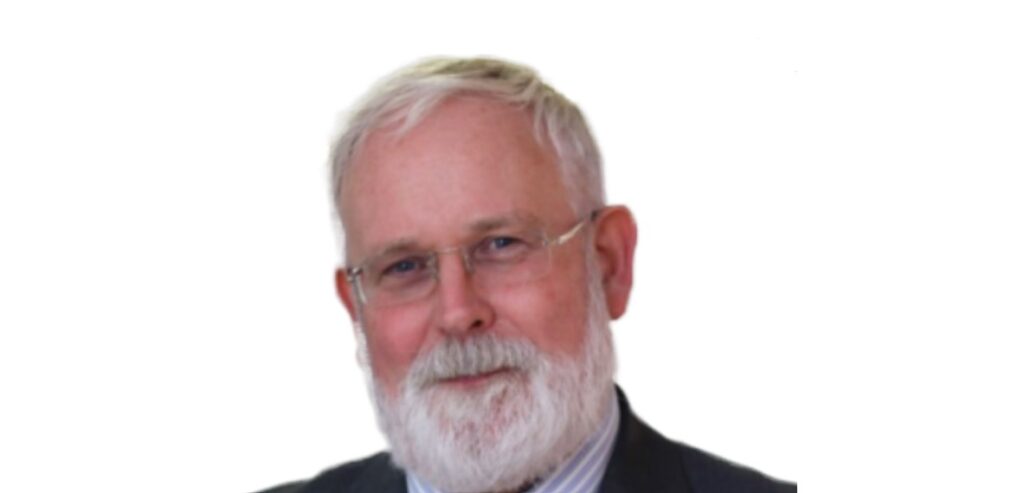
Graham Singleton, CEO of National Friendly, (pictured) said: “We’re excited to launch this insightful research that reveals a compelling market opportunity that benefits all stakeholders in the protection ecosystem.
“Among a study of 5,000 consumers, we have addressed perceptions, costs and attitudes relating to accidents in Britain today. Many people are living in the aftermath of an everyday accident which has temporarily or permanently altered the course of their life, work and finances.
“While the report looks at the impact of accidents across all consumers, we’ve drilled down to focus on underserved groups in society including those in manual work that may be more likely to have an accident and can often be overlooked by the protection industry.”
Paul Foody, chief operating officer at LifeSearch, said: “In conversations we have with customers – and as evidenced in the National Friendly research – it’s increasingly apparent that consumers are becoming more aware of the different types of risks they face and how these might affect their household income.
”Advisers need to consider those risks when recommending products and respond to the individual’s financial resilience as well as their type of work, interests, and lifestyle.”