
Four in 10 (40%) Britons expect to access private healthcare in the next year, up by a third since 2023, according to research by the Independent Healthcare Providers Network’s (IHPN).
Its annual Going private report also found that around seven in 10 people (71%) would consider using private care if they needed treatment, up from 63% three years ago.
Younger adults were more open to such an option, with 85% of those aged between 25 and 34 considering going private for their healthcare, and 56% expected to do so in the next 12 months.
Just under half (48%) had already used non-NHS care.
Growing openness to using private healthcare cuts right across the political spectrum.
Almost eight in 10 (78%) Labour and Conservative voters, 75% of Reform supporters, 71% of Liberal Democrats and 69% of people favouring the Green Party were open to using private treatment, according to the research, which centred on interviews with more than 2,000 people conducted by polling agency Public First and supported by Burges Salmon LLP.
The findings echoed those from the Private Healthcare Information Network (PHIN) which earlier this month found that most Brits including lower earners were open to using private healthcare.
And last year’s edition of the IHPN survey found half of people aged between 35 and 44 expected to pay for healthcare treatment in the coming year, which was 10 percentage points higher than 12 months ago.
Flexibility and convenience
The queue for treatment on the NHS was a factor driving changing attitudes according to the latest IHPN research, but one in four people wanted better quality care.
Flexibility and convenience were key with almost more than a quarter (28%) finding it easier to book appointments for private treatment, with 22% wanting more personalised care.
Around one in four people (23%) had gone private because they had health insurance, which could be part of an employee benefits package.
The report confirmed that a third of people (34%) in the UK had at some point used private treatment and that satisfaction was high.
Nine in 10 people using either self-pay (86%) or insurance (89%) said it was value for money.
Breaking down barriers
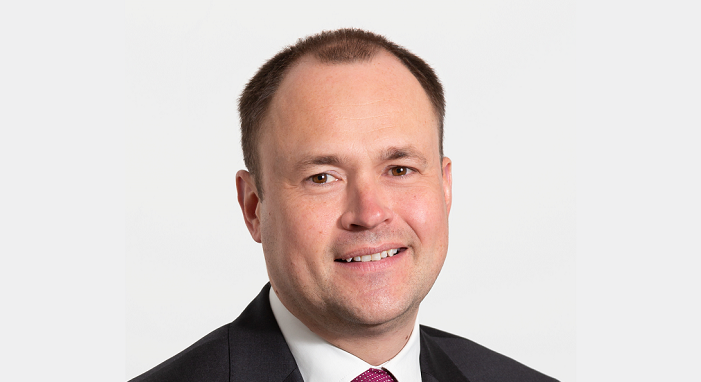
David Hare, chief executive of IHPN (pictured), said that across generations and political divides, traditional ideological distinctions between NHS and private healthcare appear to be breaking down.
He added that “expectations of healthcare are increasingly being shaped by the seamless, digitally enabled services people experience elsewhere in their lives“.
“This is particularly true of younger generations. They are more likely to see health insurance as an important workplace benefit, fund treatment directly themselves and are increasingly comfortable navigating between NHS-funded and privately funded services.
“The debate about healthcare needs to better reflect the way people are actually choosing to access care, with a strong NHS at its heart, but greater recognition that independent healthcare can and does play an increasingly significant role alongside it.”
Patrick Parkin, a partner at Burges Salmon LLP which supported the research, said patients needed support to navigate private healthcare and to fill the gaps in knowledge around the range, cost or accessibility of private healthcare.