The Care Quality Commission (CQC) has been told to make “radical” improvements in performance after an independent review uncovered “significant” internal failings hampering its ability to identify poor performance at hospitals, care homes and GP practices.
The interim report, led by Dr Penny Dash, chairwoman of the North West London Integrated Care Board, found inspection levels were still “well below” where they were pre-pandemic, a lack of clinical expertise among inspectors, a lack of consistency in assessments and problems with the CQC’s IT system.
These failings meant the regulator is unable to consistently and effectively judge the quality of health and care services, including those in need of urgent improvement, the report said.
It found that social care providers were waiting too long for their registration and rating to be updated, with implications for local capacity.
But the review also found a lack of experience among CQC inspectors and that while some locations had not been inspected again by the health watchdog in years, some had never received a CQC rating at all.
Some of Dr Dash’s emerging findings include:
- Of the locations the CQC has the power to inspect, it is estimated that around one in five have never received a rating.
- Some organisations are not being inspected again for several years – with the oldest rating for an NHS hospital dating from more than 10 years ago and the oldest rating for a social care provider dating from 2015.
- A lack of experience among some inspectors – with the review hearing of inspectors visiting hospitals and saying they had never been in a hospital before and an inspector of a care home who’d never met a person with dementia.
Not fit for purpose
The new Labour government said it will now take immediate steps to restore public confidence in the effectiveness of health and social care regulation, including increasing the level of oversight of the CQC, ahead of the full report by Dr Dash set to be published in the autumn.
The Department of Health and Social Care added this work formed part of the government’s wider efforts to identify the challenges facing the NHS and take action to address them head on as part of its mission to build a health service fit for the future.
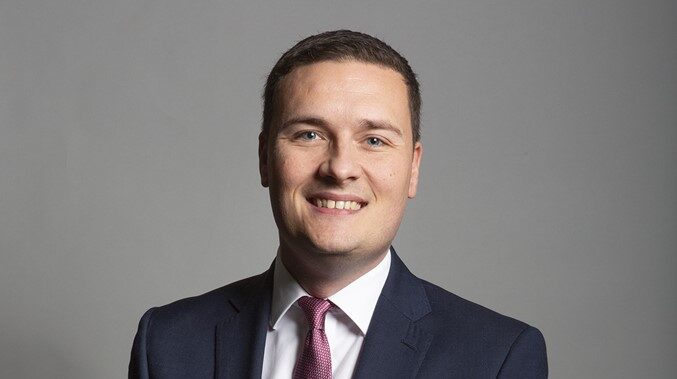
Health and social care secretary Wes Streeting (pictured) said: “When I joined the department, it was already clear that the NHS was broken and the social care system in crisis.
“But I have been stunned by the extent of the failings of the institution that is supposed to identify and act on failings. It’s clear to me the CQC is not fit for purpose.
“We cannot wait to act on these findings, so I have ordered the publication of this interim report so action can begin immediately to improve regulation and ensure transparency for patients.
“I know this will be a worrying development for patients and families who rely on CQC assessments when making choices about their care. I want to reassure them that I am determined to grip this crisis and give people the confidence that the care they’re receiving has been assessed. This government will never turn a blind eye to failure.”
Four immediate steps
Streeting announced four immediate steps the government and CQC will take to restore public confidence in the regulator which include:
- The appointment by the CQC of professor Sir Mike Richards to review CQC assessment frameworks. Sir Mike was a hospital physician for more than 20 years and became the CQC’s first chief inspector of hospitals in 2013, retiring from this role in 2017.
- Improving transparency in terms of how the CQC determines its ratings for health and social care providers.
- Increased government oversight of the CQC, with the CQC regularly updating the department on progress, to ensure that the recommendations in Dr Dash’s final review are implemented.
- Asking Dr Dash to review the effectiveness of all patient safety organisations.
Comprehensive reform needed
Dr Dash was asked to carry out a review of the CQC in May 2024. Over the last two months she has spoken to around 200 senior managers, caregivers, and clinicians working across the health and care sector, along with more than 50 senior managers and national professional advisers at the CQC.
Commenting on her findings so far, Dr Dash said: “The contents of my interim report underscore the urgent need for comprehensive reform within the CQC.
“By addressing these failings together, we can enhance the regulator’s ability to inspect and rate the safety and quality of health and social care services across England.
“Our ultimate goal is to build a robust, effective regulator that can support a sustainable and high-performing NHS and social care system which the general public deserves.”
Dr Dash has highlighted urgent actions the CQC can take, including overhauling the inspection and assessment system, rapidly improving operational performance and fixing faltering IT systems.
Work underway
CQC chief executive Ian Trenholm resigned last month with then deputy chief executive Kate Terroni taking over on an interim basis.
In response to the report, Terroni said: “We accept in full the findings and recommendations in this interim review, which identifies clear areas where improvement is urgently needed.
“Many of these align with areas we have prioritised as part of our work to restore trust with the public and providers by listening better, working together more collaboratively and being honest about what we’ve got wrong.
“We are working at pace and in consultation with our stakeholders to rebuild that trust and become the strong, credible, and effective regulator of health and care services that the public and providers need and deserve.
“Work is underway to improve how we’re using our new regulatory approach.”
Terroni added the CQC had committed to increasing the number of inspections conducted so the public has an up-to-date understanding of quality and providers are able to demonstrate improvement.
It is also increasing the number of people working in registration to improve waiting times.
“We’re working to fix and improve our provider portal, and this time we’ll be listening to providers and to our colleagues about the improvements that are needed and how we can design solutions together,” Terroni continued.
“We’ll be working with people who use services and providers to develop a shared definition of what good care looks like. And we’re also developing a new approach to relationship management that enables a closer and more consistent contact point for providers.
“Additionally, to strengthen our senior level healthcare expertise, we have appointed Professor Sir Mike Richards to conduct a targeted review of how the single assessment framework is currently working for NHS trusts and where we can make improvements.
“Sir Mike’s career as a senior clinician, and a distinguished leader of high-profile national reviews, as well as his direct experience of driving improvement through regulation, make him uniquely placed to conduct this work.”
Failure to get basics right
David Hare, chief executive of the Independent Healthcare Providers Network (IHPN), said: “We welcome Dr Penny Dash’s interim report into the CQC which raises a number of concerns including the challenges with implementing the Single Assessment Framework, the failure to get the basics right in terms of ensuring the swift registration of much needed new health and care provision, the timely inspections of services and the ability to update ratings effectively.
“These are concerns we have been raising for some time and it is good that there is a commitment from government and the CQC to address them.
“We firmly believe that it is in patients interests to have a strong and effective regulator of all health and care services in England to help patients make informed choices about their care, to provide assurance on quality and to quickly identify problems where they exist.
“It must now be a priority to realise that ambition and we look forward to working with Dr Dash as she develops her final proposals and recommendations.”
Difficult journey
Professor Martin Green, chief executive of Care England, said: “It is clear that Dr Dash has listened to the voices of care providers, resulting in a clear set of recommendations.
“This report acknowledges the severe and systemic problems that sit at the very heart of the CQC and gives a specific set of steps that the regulator must take to improve performance and re-establish the sector’s long-eroded trust.
“This is going to be a long and difficult journey for the CQC, but one that is entirely necessary. Care England stands ready to work with the regulator to help them deliver an effective and supportive regulatory system that will be the cornerstone of public protection and delivers fair judgements across health and social care.
“The CQC must embark on a radical improvement program that should not only include some tangible improvements in their performance, but also needs to move away from a culture of blame. We all want proportionate and effective regulation, and the challenge now is for CQC to take action and work with organisations across the sector to deliver it.”