Unum has been using artificial intelligence (AI) to help it identify policy definitions in its group risk products which can be improved.
The insurer has also cut claims decision times for cancer and neurological conditions on its group income protection (GIP) products by two weeks by directing claims through nurses.
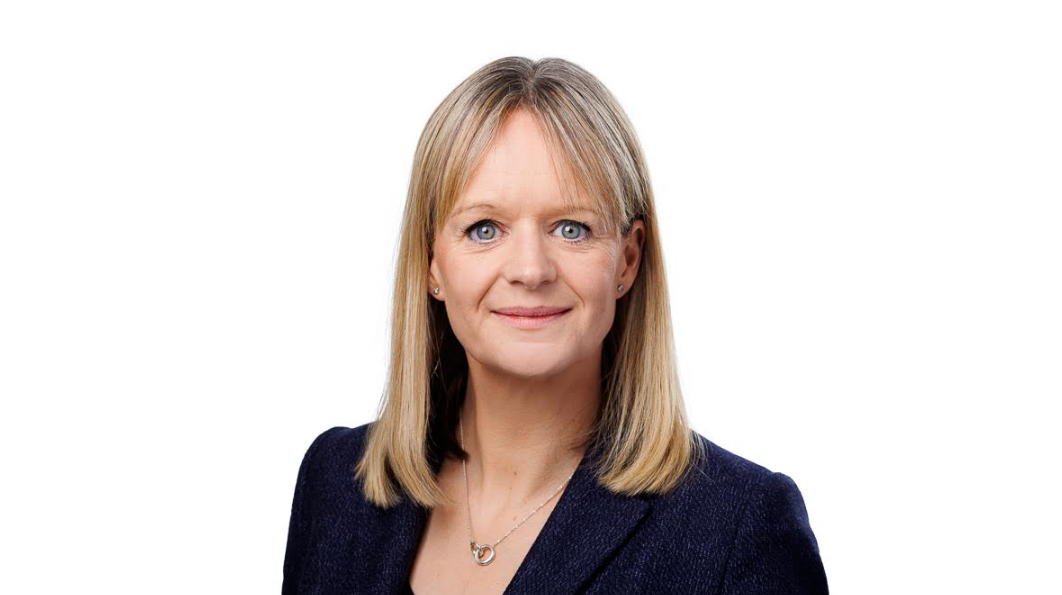
Speaking at the Association of Medical Insurers and Intermediaries (AMII) Summit, Unum director of claims, rehabilitation and medical services Paula Coffey explained some of the changes that had been made to its processes.
She noted that while doctors were still providing significant support and information for the insurer around medical developments, modern technologies including AI were also helping to evolve its operations.
“It’s actually been able to help us consider where in our policy definitions there might be some challenges,” Coffey said.
“So for critical illness (CI) we know that it’s all on definitions, but we’ve been able to enhance some of our definitions to be all inclusive.
“We have somebody who attends the Association of British Insurers (ABI) meetings, and we’ve been able to say: ‘This is going to be really important here, this is what our clinicians are telling us, we need to start reviewing those definitions again’.
“So hopefully we’re helping inform the industry.”
Cutting IP claim times
Coffey also noted that coming out of the Covid-19 pandemic, like many insurers, it’s GIP claim decision times were suffering due to many reasons including GPs being swamped with patients and delays with the postal system.
There were also delays in claims being received with many coming in after the deferred period, including a significant amount being received at month eight or nine.
For cancer claims, the insurer tweaked its process when it registered a claim for group income protection so it would automatically go to one of its nurses.
“Within a couple of days one of our nurses would contact the individual and that was a fantastic opportunity,” Coffey said.
“We reduced our time to make decisions on cancer claims by 10 working days, so two full weeks, and we’re maintaining those standards still today,” she continued.
It has since been rolled out to neurological claims where appropriate, where it has improved claims decision times by 12 days.