The Association of Medical Insurers and Intermediaries (AMII) is the latest trade body to raise concerns over Lord Kinnock’s call for VAT to be applied on private healthcare.
The trade body argued that ending the current exemption would only increase the burden on the NHS.
The former Labour leader issued his call last week alongside research from the Good Growth Foundation which showed majority public support for a windfall tax on private healthcare.
Lord Kinnock’s intervention met with significant opposition from advisers who labelled his call as “madness”, while both the Association of British Insurers (ABI) and the Independent Healthcare Providers Network (IHPN) also raised concerns about the former Labour leader’s proposal.
Alleviating pressure on NHS
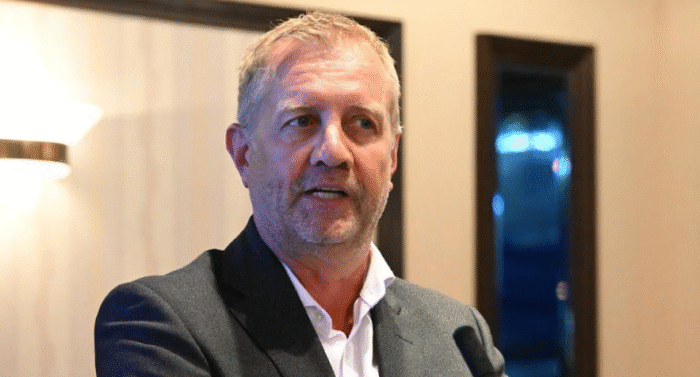
Now AMII executive chairman Dave Middleton (pictured) has echoed those concerns.
“Private medical insurance (PMI) plays a vital role in alleviating pressure on the NHS by providing alternative pathways for patients seeking treatment,” Middleton said.
“At a time when the NHS is facing unprecedented demand with record waiting lists, introducing VAT on private healthcare would only serve to reduce access to private treatment options and subsequently increase the burden on our public health service.
“Rather than introducing measures that would discourage private healthcare usage, the government should consider removing benefit-in-kind taxes on employer-provided health insurance.
“This would encourage greater market growth, improve workforce health, reduce sickness absence, and ultimately decrease pressure on NHS services.”
Supporting healthy productive workforces
Middleton added that the proposal came at a time when both the ABI and IHPN had expressed significant concerns about such tax changes, warning this would create barriers to health support and remove the incentive for people from accessing necessary healthcare.
“Private healthcare and PMI contribute significantly to the UK economy by supporting a healthy and productive workforce,” Middleton continued.
“We urge the government to consider the wider implications of such tax changes and instead focus on policies that would expand access to healthcare across all sectors, ultimately benefiting both the NHS and the patients it serves.”
Waiting list cut
The government do not comment on speculation around tax changes outside of fiscal events.
In a statement to Health & Protection a government spokesperson said: “Thanks to this government’s record investment, reforms and the hard work of NHS staff, we’ve cut the waiting list by over 260,000 since July 2024, which also fell for the first time in 17 years in April and May outside of the pandemic.
“On top of this, we have also delivered 4.6 million appointments – more than double the two million we promised.”