[SPONSORED CONTENT]
In today’s interconnected world, medical emergencies can occur far from home, presenting unique challenges that test the limits of clinical expertise and human compassion.
One such case involved a critically ill patient who experienced a life-threatening neurological event while abroad.
The situation demanded urgent, complex decision-making that would ultimately define not only the clinical outcome but also the emotional experience of care for the patient and their loved ones.
The member underwent emergency neurosurgery and remained in intensive care.
As their condition deteriorated, the family and local medical team expressed a strong desire for the patient to be transported back to their home country to receive end-of-life care in a familiar and supportive environment.
This request, while deeply human, introduced significant clinical and logistical challenges.
Transporting a critically ill patient recovering from neurosurgery carries profound risks and the urgency of the situation was matched by its complexity.
Changes in altitude and pressure during air travel can worsen neurological conditions, potentially leading to fatal outcomes mid-flight.
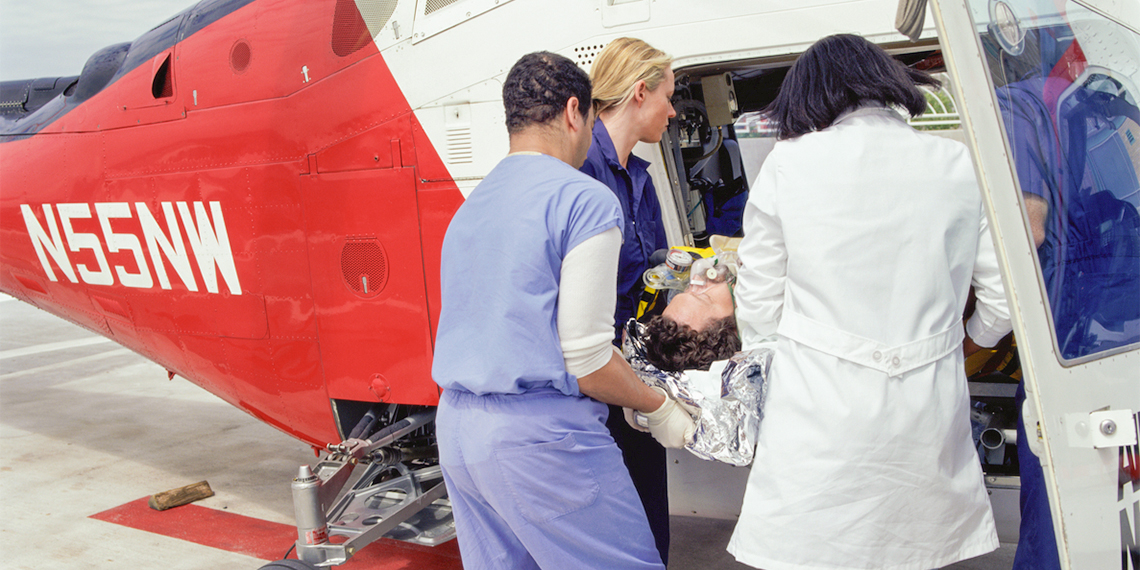
UnitedHealthcare Global’s clinical team, including its medical director, undertook a rigorous review of the case. Collaborating with a specialist neurosurgeon and an experienced air ambulance team, it was determined that immediate repatriation posed unacceptable risks.
Instead of stopping there, the team developed a bespoke, evidence-based clinical plan tailored to the member’s unique condition.
This plan outlined precise clinical parameters that would make repatriation feasible. It wasn’t just about logistics, it was about timing, monitoring, and ensuring that every step of the journey was medically sound.
The UnitedHealthcare Global clinical team went even further, travelling to meet with the patient and local medical staff.
This on-the-ground presence was critical in assessing the hospital’s capabilities and confirming that suitable palliative care could not be provided locally.
Once the member’s condition stabilised within the defined clinical parameters, a carefully staged repatriation route was initiated through several different countries, ultimately bringing the member home.
This case underscores several key principles that define UnitedHealthcare Global’s approach to international medical support:
Clinical leadership: Every decision was guided by medical expertise, grounded in evidence, and focused on patient safety, not convenience or cost.
Patient-centred care: The emotional and psychological needs of the patient and their family were central to the evacuation strategy. Being surrounded by loved ones was recognised as a critical component of dignified, compassionate care.
Global coordination: The successful outcome required seamless collaboration across borders, healthcare systems, transport experts and time zones demonstrating the importance of a well-integrated global care network.
Integrity: The decision to proceed was not based on ease or expense, but on what was right for the patient. This commitment to care guided every step of the process.
In a world where healthcare increasingly transcends borders, this case serves as a powerful reminder that the best outcomes arise when clinical excellence is paired with empathy and clarity.
Delivering care that is medically sound and emotionally attuned is not just a goal it is a responsibility.
This is a case example where some details have been changed to preserve patient anonymity.