Government is delivering a further £338m investment into the Connect to Work programme which will deliver localised, tailored support to more than 85,000 people who are sick, disabled or face complex barriers to work in 15 areas across England.
The scheme provides intensive, personalised help including individual coaching from employment specialists, job matching services, and ongoing support for both participants and employers to ensure sustainable employment outcomes, according to the Department for Work and Pensions (DWP).
But group risk industry body Grid has suggested focusing on stopping the sick or disabled falling out of work is just as important.
Around 300,000 people across all of England and Wales are set to benefit over the next five years through the £33m funding, the DWP said.
To access support, sick and disabled people and those facing complex barriers to work can self-refer or they can be referred through various routes including healthcare professionals, local authorities, and voluntary sector partners.
Stemming flow out of work is just as important
While welcoming the government’s commitment to helping more sick and disabled people to get back into work, Grid suggested stemming the flow of sick and disabled people out of the workplace is equally important.
Katharine Moxham, spokesperson for Grid, said: “Employers have a vital role to play in retaining sick and disabled people in the workplace as valued employees, and the group risk industry is perfectly placed to help them to do this.”
Moxham maintained the vocational rehabilitation model delivered through group income protection insurance was structured to prevent long-term sickness absence and to facilitate employees’ return to work following health-related absences.
“This approach offers comprehensive, personalised case management, leveraging both clinical and vocational expertise to collaborate with employers and employees, the aim being to implement appropriate workplace adjustments and provide continuous support throughout the reintegration process,” Moxham continued.
“Strong recognition of the role that prevention, early intervention and rapid rehabilitation in the workplace should play in helping employees stay in or return to work will further strengthen the government’s plan to get Britain working again.”
Denied support
The move is a continuation of the government’s Get Britain Working strategy.
Earlier this year the DWP said the cost of economic inactivity due to sickness absence and other ill health is likely to be at least £240bn per year but could be as much as £330bn.
And the department is conducting an independent review into how UK employers promote health and inclusive workplaces
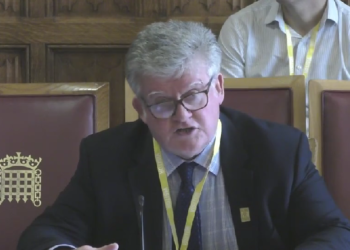
Work and pensions secretary Liz Kendall (pictured) said: “For too long, millions of people have been denied the support they need to get back to health and back to work.
“It’s bad for their living standards, it’s bad for their families, and it’s bad for the economy.
“That’s why we’re taking decisive action by investing millions of pounds so sick or disabled people can overcome the barriers they face and move out of poverty and into good, secure jobs as part of our Plan for Change.”
Fifteen areas are included in the rollout. They are:
- Up to £71.9m for Central London Forward – supporting 16,800 people across the City of London.
- Up to £47.1m for the Local London Sub-Regional partnership – providing support to 12,350 people across nine boroughs in east and outer London.
- Up to £35.3m for South Yorkshire – helping 9,950 participants across Sheffield, Rotherham, Barnsley, and Doncaster into work.
- Up to £30.7m for Greater Essex – supporting 7,800 people across Southend-on-Sea, Thurrock, and Essex.
- Up to £23.4m for Greater Lincolnshire supporting 6,000 people
- Up to £19m for Staffordshire and Stoke on Trent supporting 5,250 people
- Up to £18.7m for Hampshire supporting 4,800 people
- Up to £18.4m for the South London Partnership supporting 4,800 people
- Up to £16.5m for Norfolk supporting 4,000 people
- Up to £11.5m for Solent supporting 3,600 people
- Up to £10.7m for Hereford, Shropshire and Telford and Wrekin supporting 2,650 people
- Up to £9.8m for Surrey supporting 2,500 people
- Up to £9.5m for Suffolk supporting 2,700 people
- Up to £8.2m for Warwickshire supporting 2,050 people
- Up to £7.7m for Worcestershire supporting 2,000 people
These interventions form part of the government’s plan to get Britain working again and deliver an 80% employment rate by overhauling jobcentres, tackling economic inactivity through local plans, and delivering a Youth Guarantee so every young person is either earning or learning, the DWP added.