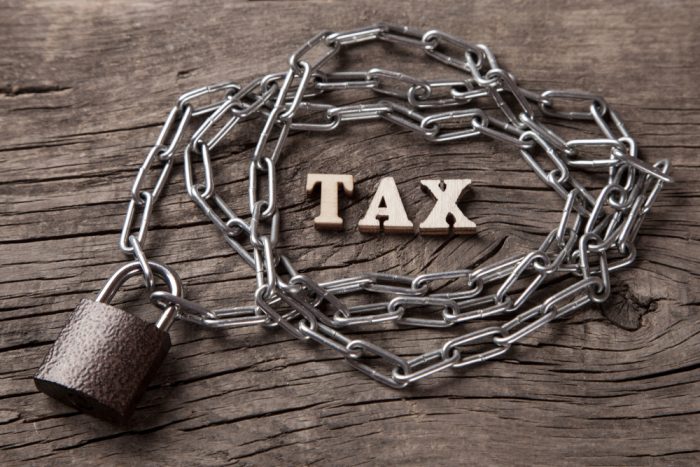
Advisers have welcomed confirmation from the government that it will not be imposing VAT on private healthcare in November’s Budget.
This morning, health secretary Wes Streeting told the BBC “it’s not happening” and repeated that answer when asked if he could guarantee VAT would not be levied on private healthcare.
Private medical insurance (PMI) and other options are already subject to insurance premium tax (IPT) but would not face a direct VAT charge.
The tax would have been payable on treatment and other services from healthcare providers such as hospitals and clinics, which would likely have resulted in knock-on increases in insurance premiums.
Last month, Lord Kinnock called for the government to remove the exemption on VAT on private healthcare amid calls to introduce a windfall tax on these services.
Advisers have breathed a sigh of relief, but also called for the government to go further and want confirmation that insurance premium tax will not be increased or even removed entirely for private medical insurance (PMI).
Borderline insanity
Kristian Breeze, director of healthcare at Ascend Broking Group, told Health & Protection that adding 20% VAT to private healthcare would have been an “act of economic self-harm“.
“It would have priced thousands out of cover, driven patients back to an overstretched NHS, and ultimately cost the state more than it raised,“ Breeze continued.
“The idea that you make healthcare more accessible by taxing it to oblivion is absurd and borderline insanity.“
Breeze maintained that private provision relieves pressure on the public system and insurance cover is already subject to insurance premium tax.
“Layering VAT on top would punish individuals and employers who take responsibility for their health needs,” he continued.
“If anything, we should be talking about removing IPT, not inventing new levies.
“This decision signals common sense, finally: keep healthcare affordable, keep choice alive, and let the private sector do what it does best, complement the NHS, not compete with it.“
Controlling costs
Peter Lurie, director at Proactive Insurance, also welcomed the decision.
“With insurance already taxed through IPT, VAT would have been a double blow to affordability and driven more people back to the NHS,“ Lurie told Health & Protection.
“Keeping treatment VAT-exempt helps control costs and ensures the private sector can continue to relieve pressure on public services.“
Brett Hill, head of health and protection at Broadstone, said it was pleasing to see the government put distance between tax measures that would limit access to private health treatment and heap more strain onto an overburdened NHS.
“The private sector is playing an important role in our country’s healthcare crisis by delivering record admissions amid growing uptake of products like private medical insurance and health cash plans,” Hill continued.
“We would also like to see clarity that insurance premium tax will not be hiked.
“If anything, this tax should be reduced for private healthcare services to increase access, to enable earlier and cheaper medical care and to protect the NHS from additional pressure.”
Extra pressure
Marcia Reid, non-executive director at Sherwood Healthcare, told Health & Protection: “Just imagine the extra pressure on the state funded system if even just 10% of PMI members gave up their cover due to a 20% VAT uplift.
“And again, as I mentioned before, considering 75% of those with PMI are company funded, this wouldn’t just have ‘hit the rich’ – it would have created a negative impact on ‘working people’.”