Protection insurance providers need to shake-up how they report critical illness claims statistics to better reflect the realities of their customers.
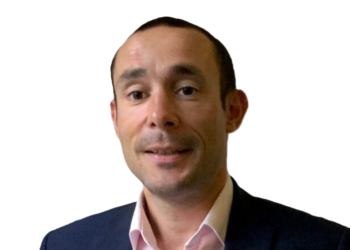
This is according to Adam Higgs, head of protection at St James Place (pictured furthest right), who was participating in a panel debate at an event launching CIExpert’s Critical Thinking report 2026.
Stats shake-up
Higgs told delegates that he would like to see a shake-up of critical illness stats as he did not think they are helpful to advisers looking at the difference between core and enhanced cover.
“The reason I say that is pretty much every insurer will come out with the five conditions that clients most claim on and advisers look at that and think, okay, these are conditions they are most likely to suffer from, but actually, that’s not entirely going to be the case,” Higgs explained.
“Especially when you look at those stats, the majority of policies that are in those claims are probably five, 10-years-old and probably don’t include a lot of the additional conditions that policies nowadays include.”
Not reflecting reality
Higgs maintained that the stats typically contained in claims reports do not really reflect what a policy will pay out on.
“It’s reflecting what a policy 10 years ago and clients 10 years older are going to claim on,” he continued.
“So I’d love to see insurers shake up claim stats to talk more about what someone is likely to claim on as opposed to what the policies have historically paid out on.”
Separating stats out
Higgs explained that this would be really helpful to advisers as once you get past the three most common reasons to claim – cancer, heart attack and stroke, the conditions a client is most likely to claim on would probably change quite dramatically.
“And if you separated those claims stats between your core and your enhanced options, again, I think you’d see different conditions coming up through the enhanced policies,” he continued.
“I think if the industry did more of that, that might help advisers better understand what their clients are likely to claim on and have that conversation with their clients.”