Equipsme has a pipeline which could see it more than quadruple the number of lives covered.
The provider claims with its reduced levels of cover it has also maintained premium inflation to a quarter of that reported in the wider group private medical insurance (PMI) market.
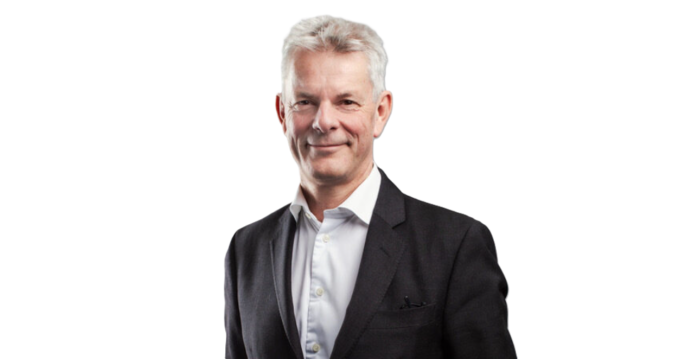
Chairman Stuart Reid (pictured) and non-executive director Andrew Morfey told Health & Protection the provider is running a 5% yearly average rating increase, which stretches back to 2018.
This compares to the 20% average across the group PMI market last year, as reported by Health & Protection.
This is largely due to Equipsme, which is part of the Axa group and uses the Axa Health treatment network, offering a cut down and more targeted PMI product, which excludes many expensive treatments.
For example, it does not cover treatment for cancer, once it has been diagnosed, which is typically one of the most costly conditions for insurers to support.
It also uses a three-year pre-existing condition exclusion to help control claims.
“It is not full PMI cover, and that is why we can price it the way we do,” Reid said.
The provider’s income almost doubled last year and the team is working through a new pipeline which could quadruple the lives covered, Reid said.
He added there was demand from employers to give whole of workforce coverage where possible.
And with 7.2 million people waiting for NHS treatment, companies could offer private healthcare insurance as an inducement to attract and retain talent.
“It gives me no pleasure to say this, but the NHS has its issues,” Reid said.
“Providing something that can circumvent that and get people back to work quickly is extremely attractive.”
Core conditions
When creating its trimmed down offering to get people back to work sooner, the provider looked at the NHS’ struggles and the most topical areas of societal health.
This means stress management, mental health and dental services, which, according to Morfey, have been huge in the past four to five years and will continue to be so.
However, the core conditions that give rise to most claims are musculoskeletal and mental health.
“Those will always be staples of workforce health because some form of [physical] injury or mental health is going to stop them going to work.”
It appears that the biggest challenge that the group PMI market faces today is rising costs.
“Employers are increasingly struggling to get the most benefit for their workforce,” Morfey said.
This has led to restricting the services a PMI product provides and the number of people they cover.
Morfey said the provider had been determined to keep price increases stable and ”not allow them to massively spike one year with a very little increase the next”.
“Thinking carefully about the product and what adds value is part and parcel of that.
“It is not even so much about keeping costs low, but stability in the price and knowing that increases are not going to be wild and unpredictable, which is difficult,” he added.
This could help employers with their budgeting. If there is uncertainty about what those prices are going to do, it is going to be harder to approve these benefits.
“Once you have given benefits to the whole workforce, it is a cost that you don’t want escalating exponentially,” Reid said.
“We are very proud of that average of 5% each and every year since we launched in 2018.”