• Content Hubs
    • AI in Insurance
    • Bupa
    • UnitedHealthcare Global
  • Supplements
  • About
  • Alerts
  • Advertise
  • Events
  • Research
  • Contact
SUBSCRIBE
No Result
View All Result
Health & Protection
  • PMI & Healthcare
    • Individual
    • SME
    • Large Corporate
    • Cash Plans
    • Hospitals
  • Protection
    • Group Risk
    • Individual Protection
  • International
  • Wellbeing & Mental Health
    • Absence/Productivity
    • Mental Health
    • Services
  • Appointments / Industry
    • Appointments
    • Company News
    • Compliance & Regulation
    • Economy
Health & Protection
No Result
View All Result

Behavioural science key to detecting foreseeable harm under Consumer Duty – Hogg

by Graham Simons
08 May 2026
Share on FacebookShare on Twitter

The Consumer Duty is underpinned by behavioural science so firms need to get to grips with these ideas and think like the regulator to detect foreseeable harm, according to Tim Hogg, director of Fairer Finance.

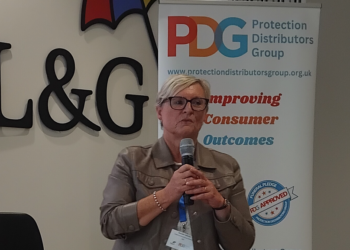
Hogg (pictured) also stressed the importance of data collection customer testing to pick up on foreseeable harm.

“With behavioural science, more harm is foreseeable,” Hogg said.

“The Consumer Duty is underpinned by advances in behavioural science.

“Behavioural science tells us that our decisions are affected by the way that the choice is framed, the choice architecture,” he added.

Though Hogg also told the organisations webinar audience that there was no such thing as neutral choice architecture.

“But the way that we respond to the choice architecture is predictable in many cases,” he continued.

“And if our decisions are predictable, then any harm that results was foreseeable.

“Ultimately if the FCA’s intellectual foundations for the duty and the concepts of foreseeable harm are grounded in behavioural science, then we need to apply behavioural science to think like the regulator and detect foreseeable harm.”


‘A prudent firm acting reasonably’

Hogg further explained that whether harm is considered foreseeable depends on whether according to the FCA, a prudent firm acting reasonably would be able to predict or expect the harm.

“Now in our mind this means analysing the data that you already have on customers and gathering a reasonable amount of additional data where required,” he continued.

“So it means analysing things like complaints data. It means analysing data on how people are using the product – on claims for example, or whether people are staying invested.

“It means data on how people are going through the purchase journey.

“Where are people dwelling the longest? What are people actually understanding from the journey and so on?”

Where firms are unsure of possible harms, firms might be expected to use customer testing or unlimited pilot phase for example of a product to build a better understanding of what possible harm could arise, Hogg said.

“Even if a discovered harm is not foreseeable, its emergence might make future cases foreseeable.

“So the first time it happens, you might think, okay that wasn’t foreseeable but by the second and third times there’s a reasonable expectation that actually at this point it is now foreseeable,” he added.


Next Post
Bupa London hospitals chief Luce to succeed Russell as The London Clinic CEO 

Bupa London hospitals chief Luce to succeed Russell as The London Clinic CEO 

Please login to join discussion

HAVE YOU READ?

LifeSearch signs protection advice deal with Skipton Building Society

Nine in 10 homeowners have never reviewed their protection needs – LifeSearch

7 May 2026

Read more
Advisers in the dark about terminal illness payouts, survey finds

Cancer prevention better than cure for protection providers – Dr Dadhania

6 May 2026

Read more

AI IN INSURANCE LEADERSHIP

Health & Protection

© 2025 Definite Article Limited. Design by 71 Media Limited.

  • About
  • Advertise
  • Privacy policy
  • Terms & Conditions
  • Contact

Follow Healthcare & Protection

X
No Result
View All Result
  • PMI & Healthcare
    • Individual
    • SME
    • Large Corporate
    • Cash Plans
    • Hospitals
  • Protection
    • Group Risk
    • Individual Protection
  • International
  • Wellbeing & Mental Health
    • Absence/Productivity
    • Mental Health
    • Services
  • Appointments / Industry
    • Appointments
    • Company News
    • Compliance & Regulation
    • Economy

No Result
View All Result
  • PMI & Healthcare
    • Individual
    • SME
    • Large Corporate
    • Cash Plans
    • Hospitals
  • Protection
    • Group Risk
    • Individual Protection
  • International
  • Wellbeing & Mental Health
    • Absence/Productivity
    • Mental Health
    • Services
  • Appointments / Industry
    • Appointments
    • Company News
    • Compliance & Regulation
    • Economy