Millions of people in the UK have felt forced to go private to fund some of all of their treatment due to waits for NHS treatment, according to an Office for National Statistics (ONS) survey.
It found NHS backlogs and delays were also affecting time off work and even causing people to go off on long-term sick leave.
Latest official data earlier this month showed the number of patients waiting for treatment through NHS England remained at 7.2 million at the end of December.
The new data from an ONS survey of 2,990 individuals covering mid to late January revealed 6% of respondents – equivalent to around three million people – said they had either paid for private care or had private insurance pay for some or all of their treatment.
The data showed more than a fifth of those surveyed (22%) said were waiting for a hospital appointment or to start receiving treatment, with 17% of those waiting for treatment doing so for over a year.
Life and work impacts
Of those waiting for NHS treatment 70% said it had either strongly or slightly negatively affected their life and 18% reported an appointment had been cancelled or delayed in the past month.
Around a third (31%) of employed or self-employed adults reported that waiting for NHS treatment had adversely affected their work – of these people, over half (52%) said they had changed the tasks they do, 14% had reduced working hours and 11% had gone long-term sick.
When asked about their experience in their last attempt to make a GP appointment, 58% who had sought a GP practice appointment received one within a week, 16% within one to two weeks, 8% within two to three weeks, and 5% in more than three weeks.
However, 33% reported difficulty contacting their GP practice and a similar number (32%) were offered only a telephone consultation when they wanted a face-to-face appointment, while 31% said they had been waiting too long for a GP appointment and 21% could not get an appointment at all.
These difficulties are proving a deterrent to seeking help as 21% reported they had needed to contact their GP practice in the past month but had decided not to.
Of these adults, 59% said they thought the wait for an appointment would be too long, around a quarter were worried about the burden on the NHS (26%) or could not contact their GP practice at the times required (26%), or they thought they would not be able to get an appointment at a suitable time (24%).
Touching on the cost of living crisis, 34% agreed that increases in the cost of living had negatively affected their mental health.
Preventative action needed
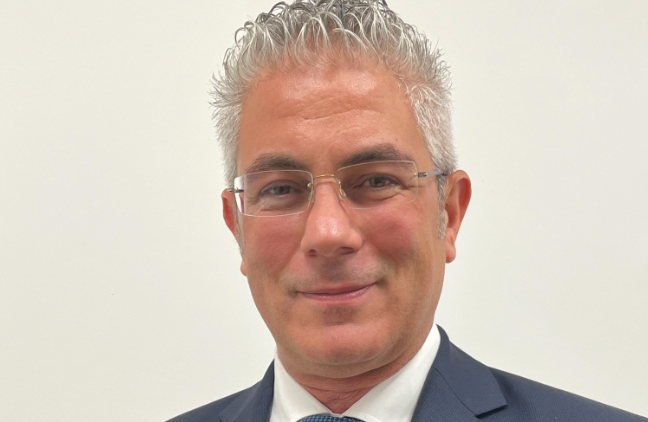
Brett Hill, head of health and protection at Broadstone (pictured), said it was “little surprise” that demand for private healthcare had increased.
“Limited NHS access is no longer just a patient crisis, but a growing problem for employers with over 350,000 leaving the workforce since the pandemic because of long-term sickness,” he said.
“Workers who must wait many months before starting treatment are reducing hours or leaving the workforce entirely.
“It is why businesses must invest in the health of their staff, taking proactive steps to support employees such as providing private healthcare and dental options.
“Robust and timely preventative action will help businesses maintain staffing levels, avoid costly exits and attract staff in the war for talent.”