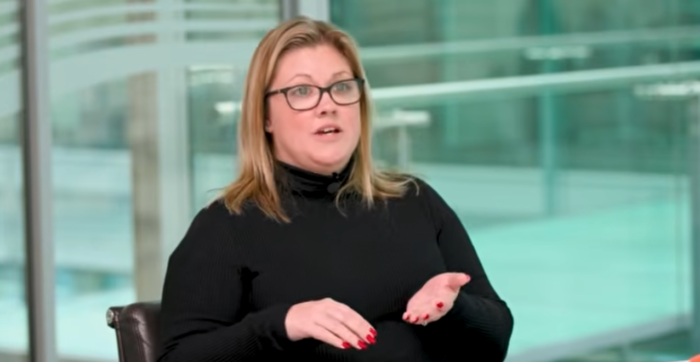
Confusion over whether smoking is vaping is leading to client non-disclosures, according to Charlotte Rogers, protection specialist at Radcliffe and Co.
Rogers, who was taking part in a panel debate on the second day of Income Protection Action Week (pictured), maintained worries about not being able to secure cover were leading to client non-disclosure.
“Clients are worried about not getting insurance in some cases, so that they don’t disclose the more minor things because they think that it’s going to impact on an outcome,” Rogers said.
“Whether that’s because they’ve had a negative experience before which has resulted in adverse terms or a decline and they think that by not disclosing it it’s going to result in better terms, or they see it as insignificant.”
Social smoking and vaping
According to Rogers, one of her biggest areas of concern is social smoking and vaping.
“You ask the question, have you ever used nicotine in the last five years? And they say, um no. It’s picking up on the small things,“ she continued.
“They’re nervous because they think ‘that’s going to affect my insurance policy, that’s going to affect my premium’.
“It’s going to affect all sorts of things for those social and occasional smokers, vapers rather than the full time smokers.”
Rogers suggested a shift in underwriting, especially around smoking may have “muddied the waters”.
“And especially with the introduction of vaping, a lot of clients don’t believe that vaping is smoking, so when you ask the smoking question, they say no and then you find out that they vape, that’s a non disclosure,” she continued.
“Perhaps we need more education for advisers about how to explain adverse terms – so don’t be afraid of having exclusion, don’t be afraid of explaining a really difficult exclusion to apply.”