The government has unveiled a national cancer plan which aims to ensure three quarters of people diagnosed with cancer from 2035 onwards are cancer-free or living well after five years.
Under the plan, by March 2029 the NHS will meet all three cancer waiting time standards, meaning hundreds of thousands more patients will receive timely treatment.
However, the government’s vision has been criticising for not being more focussed on prevention and tackling obesity, alcohol and physical inactivity.
And analysts have questioned whether the funding is in place to deliver the outcomes.
The plan contains a number of reforms aimed at improving how cancer is diagnosed and treated.
They include:
- A £2.3bn investment will deliver 9.5 million additional tests by 2029 – investing in more scanners, digital technology and automated testing. Where possible, Community Diagnostic Centres will operate 12 hours a day, seven days a week, bringing testing closer to where people live.
- From hip replacements to heart surgery and cancer operations, the number of robot-assisted procedures will increase from 70,000 to half a million by 2035, which the government said would reduce complications and free up hospital beds.
- More patients with rarer cancers to have their care reviewed and treated at specialist cancer centres, where they can benefit from the expertise of the best cancer doctors. These centres bring together surgeons, oncologists, specialist nurses and radiologists to agree the best treatment plan for each case.
- Genomic testing: Every patient who could benefit will be offered a test that analyses the DNA of their cancer.
- The development of new technology to give patients better access to tests for cancer by offering them the earliest available appointment from a range of NHS organisations in their local area.
AI lung cancer pilot
The government also announced a new artficial intelligence (AI) pilot to help detect hard-to-reach lung cancers sooner with fewer invasive tests as well as a new employer partnership to support England’s 830,000 working-age cancer patients to remain in employment during and after treatment.
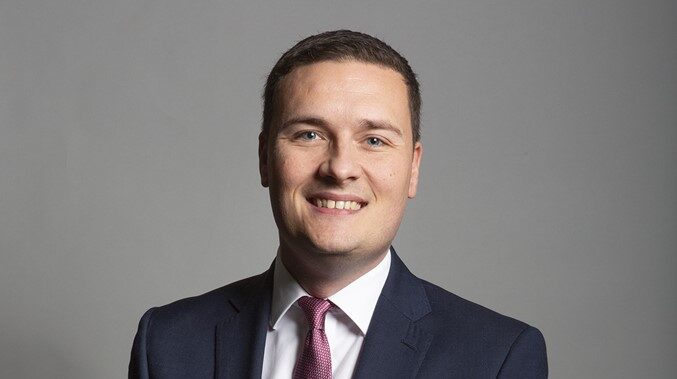
Health and social care secretary Wes Streeting (pictured) said: “Cancer survival shouldn’t come down to who won the lottery of life. But cancer is more likely to be a death sentence in Britain than other countries around the world.
“As a cancer survivor who owes my life to the NHS, I owe it to future patients to make sure they receive the same outstanding care I did.
“Thanks to the revolution in medical science and technology, we have the opportunity to transform the life chances of cancer patients. Our cancer plan will invest in and modernise the NHS, so that opportunity can be seized and our ambitions realised.
“This plan will slash waits, invest in cutting-edge technology, and give every patient the best possible chance of beating cancer.”
Professor Peter Johnson, NHS national clinical director for cancer, added: “Almost everyone will know someone who has been affected by cancer – a friend, a partner, a parent or a child – and for many people it will be part of their own story too.
“This plan sets a clear roadmap for the NHS to diagnose more cancers earlier, ensure more patients are treated on time and improve survival, so that hundreds of thousands more people live longer, healthier lives with or after cancer over the next decade.
“This is alongside delivering the latest breakthroughs in cancer treatment and care to every corner of the country, improving access to pioneering trials and ensuring there is wraparound support for people closer to home.
“The national cancer plan will see the NHS deliver world-class cancer care, offering renewed hope for millions and ensuring the health service is there for patients whenever they need it.”
Too long to implement
Mark Stephenson, CEO at Reframe Cancer, said while the plan has some “strong” targets, he was concerned it will take too long to implement at a national level.
“The UK will therefore continue to lag behind other European countries for several years when it comes to prevention and cancer survivorship,” Stephenson said.
“This is a point we have recognised and stated many times, so it is good the NHS and government are now publicly acknowledging it.”
But longer term, Stephenson added that it must be hoped the plan will achieve the ambitious targets it has outlined – specifically that 320,000 more lives will be saved over the lifetime of the plan.
“However, this is going to require all areas – NHS, private healthcare providers, employers, insurers and charities to work together to ensure everyone receives the best outcomes from earlier diagnosis through to treatment and support,” he continued.
Cart before the horse
Sarah Woolnough, chief executive of The King’s Fund, warned that ministers needed to be careful that they did not put the “cart before the horse” and ensure they get the basics delivered swiftly too.
“Many hospitals still cannot share imaging or pathology results in a timely way due to old technology holding them back,” Woolnough said.
“Addressing this needs to receive as much focus as rolling out major new AI projects.
“As is becoming a theme for this government’s health policy, it doesn’t appear to be as ambitious about preventing people from becoming sick in the first place.
“The government should see the generational smoking ban as a first step in the prevention revolution but instead it risks turning into an end point. With four in 10 cancers being preventable, we were hoping the plan would be an opportunity to go further to tackle obesity, alcohol and physical inactivity.”
Questions over feasibility of plan
Woolnough added questions needed to be raised about how feasible the plan’s stated aim of hitting the cancer treatment standards, that have been regularly missed in recent years.
“Aside from additional funding for a faster rollout of lung cancer screening, the government will have to deliver within the existing Spending Review settlement, and hope the economic outlook improves to secure future investment in the outer years of the plan,” she continued.
“The system as it stands will not meet the cancer treatment standards by 2029 unless there is a big step change.
“To that end there remain questions about whether the levers are in place to make this possible and how the system can also meet the new commitments announced in the plan.
“The government will need to show it has the answers if it is to achieve its aim of transforming cancer treatment, boosting survival rates and improving quality of life.”
Private providers key to supporting delivery
David Hare, chief executive of the Independent Healthcare Providers Network (IHPN), said independent providers will be key to supporting the delivery of the plan.
“This includes support for early diagnosis of cancer where independent providers have a proven track record for delivering accessible, high quality NHS diagnostic services, with the sector now providing one in five of all NHS tests and scans, as well as developing dozens of conveniently located NHS Community Diagnostics Centres (CDCs) all across the country,” Hare said.
“It’s therefore positive to see the Plan commit to significant new investment to deliver 9.5 million additional tests and scans by 2029, of which NHS England have made clear that over one third will need to come from the independent sector. This will help create significant new additional diagnostics capacity without the need for additional public capital spending, and will help to drive up the overall productivity of services – key in improving patients’ access to care.
Pushing up productivity
Hare added the plan rightly calls for a renewed push on driving up both the productivity and capacity of the community diagnostics estate and as part of this, it’s vital that the health service is much more open around the productivity metrics of CDCs, with mechanisms in place to replace poorly performing providers with those who have a proven track record in delivering accessible, efficient diagnostics care.
“The independent sector is a critical part of the solution around this, with IHPN’s own analysis showing that on average independent sector run CDCs are able to scan 9,000 patient per year per MRI scan – over 10% more than what the NHS is aiming for,” Hare continued.
“This will make a significant contribution to meeting the NHS’ ambitious cancer targets by the end of this Parliament.”