The Protection Distributors Group’s (PDG) is challenging insurers to look at collaborative solutions to reverse what one adviser has called the ‘worst service levels seen in 20 years’.
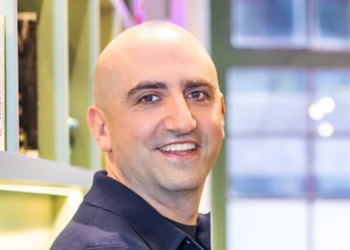
This is according to PDG board member Roy McLoughin (pictured), who spoke to Health & Protection after several advisers revealed they would back a 10% increase in premiums if it meant improving service levels.
According to the PDG’s Protection Insights Report 2026 released last month, a combined 49% of respondents from directly authorised firms would support an increase in premiums if it led to better service, underwriting and products with 40% supporting a 10% increase and 9% a 20% increase.
However, a clear majority of appointed representatives (ARs) were opposed.
Suggesting solutions
McLoughlin told Health & Protection now was the time for insurers to come forward to suggest solutions.
“Anything that improves service standards is to be welcomed, but we would like to encourage the insurers to meet and collaborate as to how they think this could be achieved,” McLoughlin said.
“As the report suggests, there are problems here, so we would meet and collaborate as we are keen to find out what insurers’ ideas are for improving on all of these issues that have been identified.”
Incredibly dismayed
Alan Lakey, director at CIExpert and Highclere Financial Services, who reveals he is one of the 49%, tells Health & Protection he thinks service and underwriting speed has reduced in quality over the years, particularly since the end of the Covid pandemic lockdowns.
“It seems that most of the industry has chipped away at its profit margins in attempts to gain a higher market share,” Lakey said.
“However, advisers and clients are increasingly dismayed at the levels of service provided, especially from the closed book insurers.
“I believe a 5% to 10% premium increase would be a reasonable increase if it led to a better and sustainable level of service.”
‘Worst service in 20 years’
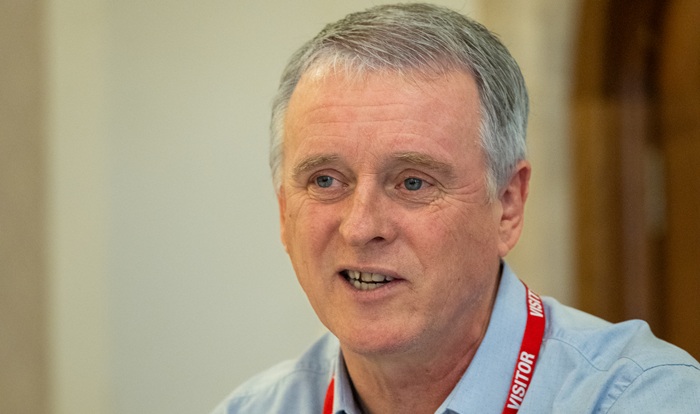
Alan Knowles, co-managing director at Cura Financial Services (pictured), who also backs an increase, goes even further – arguing insurer service is about the worst he has seen in 20 years of advising.
“There’s been consistent issues since the pandemic,” Knowles continues.
“If an increase in premiums means more investment in technology and staff, especially underwriting which seems to be the main issue, then this must be a good thing?
“My other reason for supporting a price increase would be to increase the pool of risk that insurers are comfortable with taking on, so more chances of covering people with pre-existing health conditions.
“After all, the UK has some of the cheapest life insurance prices in the world, yet it is one of the most regulated.
“In my opinion, life insurance could be 25% more expensive and it would still present good value for many.”
Premium driven providers
Charlotte Rogers, protection specialist at Radcliffe and Co, also backs an increase in premiums, maintaining providers have focused on price as a priority.
“They want to appear at the top of any sourcing as it is an easy line for compliance,” Rogers says.
“Advisers can say ’I recommended XX provider due to them being the cheapest’.
“However, I have seen premiums be cheaper for the same client for the same cover a few years later despite them being older, which demonstrates just how premium driven providers are.”
Rogers contends that with base-line premiums seemingly not increasing while all provider operating costs rise, there is no doubt that there is less profit in each policy to allow for investment in people, systems and innovation.
“If each provider could agree an increase between them all of an increase in base premium and therefore increase profitability and invest in their people, underwriting and systems to make a) policies more available to more people, and b) improve the onboarding of new clients for both clients and advisers alike, and c) improve the claims experience, I am in full support,” Rogers continues.
“It is recognised that the UK has some of the cheapest premiums for such insurances and I would fully endorse an increase.
“I’d support 20% if the rest of the industry could commit to it and agree to improve products, service, their people and underwriting.”
Rogers adds that if more people have a positive underwriting and claims journey, they are more likely to recommend such policies to their network, increasing the perception of such policies across the wider UK population.
“We accept an increase in all other areas including general insurance, so I think we should be accepting an increase in base-line premiums from time to time also,” she says.
Set fairly
However, another adviser who did not wish to be named, told Health & Protection they thought premiums were probably set fairly at the moment.
“I think the life offices might need to take a look at their internal efficiencies before putting prices up,“ they said.
“The technology systems still feel fairly unsophisticated in a number of places – inflexible application forms, auto-generated emails sometimes pulling across the wrong info and very slow servicing on pre-2013 contracts that are clearly being left to wither as the insurers lose track of them.”
The adviser added a bit of research and development would not go amiss using the profit margins they are seeing being reported.
“Having said that, if they could guarantee a robust long-term improvement to servicing then yes, a 10% increase would be acceptable,” the adviser concluded.
Group risk should not be price driven
Some of the intermediaries the PDG polled provide advice across both individual and group protection.
Providing a group risk perspective, Karen Gittings, senior corporate benefits consultant – group risk at Titan Wealth, told Health & Protection she had always maintained that group risk insurance should not be price driven.
“Clients should take into consideration the service levels offered by insurers, flexibility and medical underwriting decisions; if a client just goes for the cheapest premium, they may end up paying more if there are any loadings resulting from adverse underwriting with a less flexible insurer,” Gittings said.
“A big factor in recommending an insurer is added value services, such as is the virtual GP and EAP available 24/7 does the virtual GP service offer unlimited appointments or are they restricted.“
But Gittings added many clients were looking to achieve savings and felt that poor service standards were for the intermediary to deal with and would not affect their decision.
“I always provide clients with a full comparison of added-value services when making a recommendation, most will go for the cheapest, but some still want the absolute best for their employees and are willing to pay more for it,” she concluded.
GP report delays
Susan Bourke, client consulting director and head of risk and protection at Broadstone, also backed an increase in premiums if it helped the move away from the chronic delays caused by manual GP reports.
“Transitioning to Electronic Health Records (EHR) would significantly speed up acceptance rates and reduce the administrative burden on the NHS – post-Covid this was to be the holy grail of underwriting, but few insurers have yet fully adopted this,” Bourke explained.
“Underwriting mental health conditions should focus on creating a more nuanced, human-led journey and more a flexible policy design.
“Replacing binary exclusions and declines with pragmatic, reviewable decisions that reflect a member’s actual recovery.
“Clients should not be forced to live with a permanent exclusion for the life of a policy when their health and circumstances have clearly improved,” she added.