The case for preventative healthcare has never been stronger to address some of the huge challenges facing the medical system, the Association of Medical Insurers and Intermediaries (AMII) health and wellbeing summit heard.
But the industry and customers have been told they “have to stick at it“ as they are reducing risk over time.
“Employers and the wider healthcare system are facing unprecedented challenges in that delivering meaningful, cost-effective healthcare has never been more complex,” said Dr Rishi Patel, clinical operations director at Vitality Health.
This comes in the face of medical inflation and a difficult health picture in the UK.
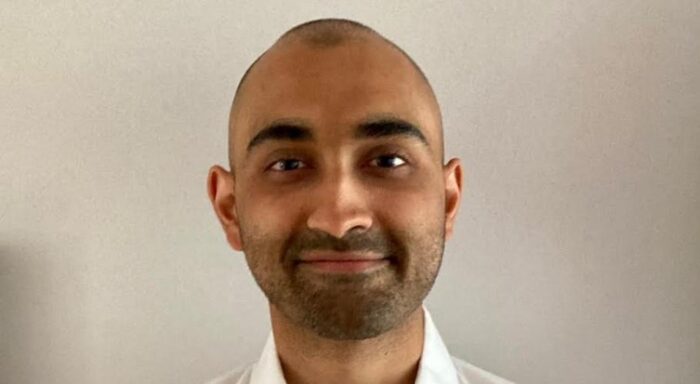
Patel (pictured) pointed to the number of years someone can expect to live in good health declining, primarily driven by mental health worsening among younger people.
Poor health is estimated to cost the UK economy around £138bn a year, according to Patel.
That is the equivalent of losing 50 days of productivity each year. “That is a huge burden and loss to the economy,” he said.
‘You are reducing risk’
These factors make a strong case for preventative approach to healthcare.
Patel highlighted Vitality data which shows that people with obesity were 35% more likely to be hospitalised, while those who were “highly physically active” pay 27% less for their healthcare.
“It makes sense to tackle some of those risk factors such as increasing the physically activity in a workforce, across a population and at an individual level,” Patel said.
“The exciting thing is that when you couple that to early intervention pathways this benefit compounds even further.”
Patel added that he sees a direct correlation between providing earlier access to interventions such as talking therapy and physiotherapy and with lower claim costs downstream.
“That is a win-win,” he said. “That is hard to achieve in healthcare at the moment given the challenges we have seen.”
Patel warned that engagement with workforces or the general population was important because preventative initiatives did not deliver immediate benefits.
“You have to stick at it, you are reducing risk over time,“ he continued.
“The direction of travel is clear. We are looking at integrated, measurable preventive healthcare,” he added.