Expats caught up in the current conflict escalating across the Middle East are increasingly raising concerns over whether their medical coverage applies outside their resident country.
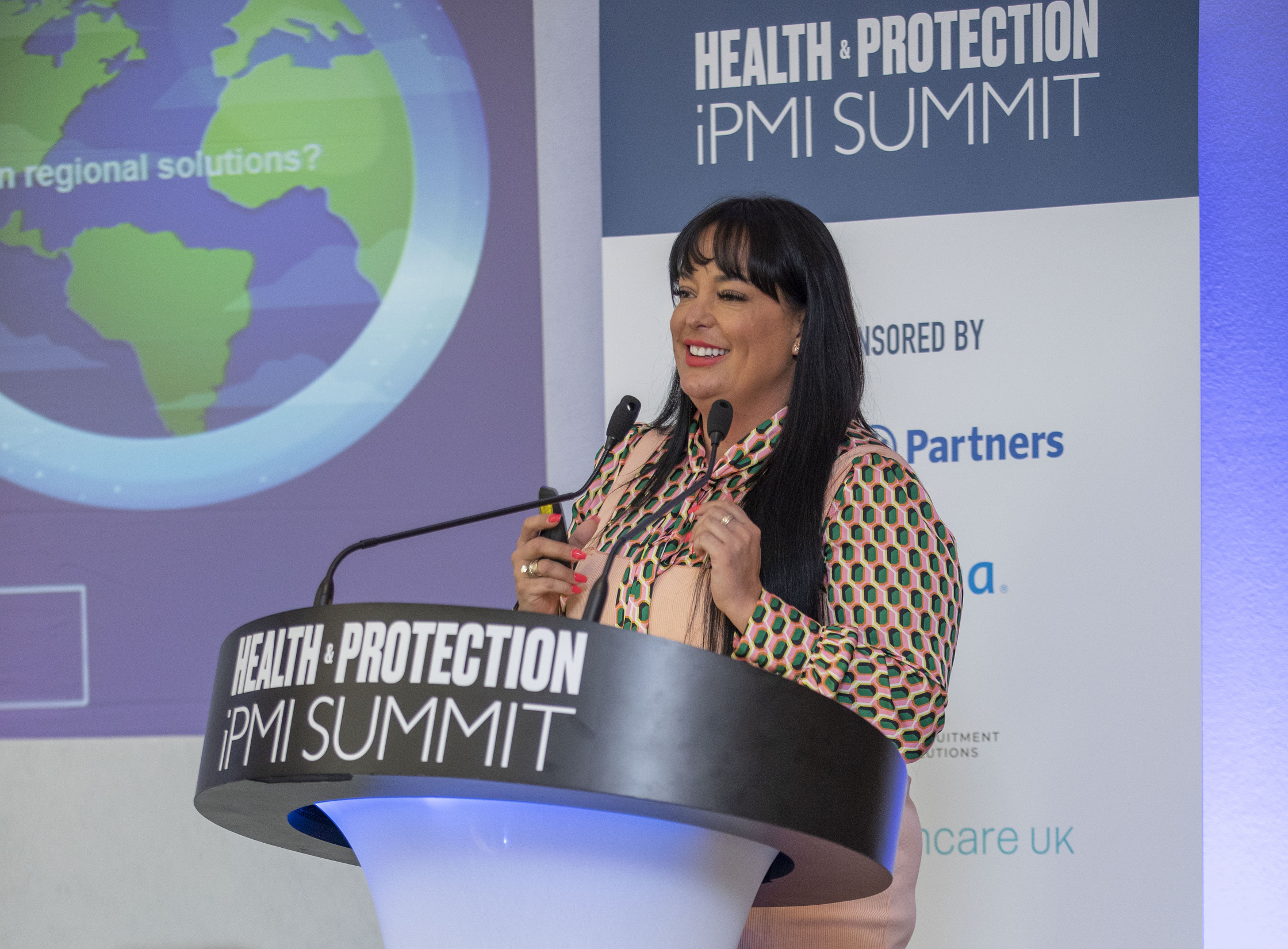
This is according to Amber Musson-Thorp, head of corporate consulting EMEA at Lifecare International (pictured left), who told Health & Protection that at the moment expats really want guidance on cross-border healthcare access and direct settlement capabilities and to understand their travel or emergency medical coverage.
Other key concerns being raised include queries around support with telemedicine and remote medical advice and assistance navigating local healthcare systems due to temporary displacement.
Disruption across the region
“The disruption has affected expats from across the GCC rather than any specific nationality,” Musson-Thorp explained.
“Many people were travelling for business, holidays, or visiting family when the situation escalated, and they have found themselves displaced or unable to return home.”
Musson-Thorp added that people from a wide range of countries are being caught up in the conflict — particularly expatriates from South Asia, the UK and Europe, and other Middle Eastern countries who live and work across the Gulf.
“The GCC is such a highly mobile region, with people constantly moving between Bahrain, Qatar, the UAE and Saudi Arabia, so when travel disruptions occur, it can quickly impact thousands of residents who are not in their country of residence at the time,” she continued.
“I myself was in Bahrain when this happened and had to navigate a drive back to Qatar by road crossing through Saudi Arabia so had first-hand experience about this.”
Reaching safety
In terms of enquiries her firm is handling at the moment, Musson-Thorp revealed that they are not specifically about insurance yet.
“The immediate priority for people is safety and understanding how to get back to their home country or their country of residence,” she continued.
“People are understandably focused on travel options, border access, flight availability, and where they can stay safely if they are temporarily stranded. From a healthcare and insurance perspective, we typically see the implications slightly later, once people are settled and start to understand how disruptions may affect their coverage, access to care, or ongoing treatments.”
Access to essential services
The most pressing concerns for expats at the moment are mobility, safety, and access to essential services, she added.
“Many expatriates rely on their employer-provided healthcare coverage, which is usually tied to the country where they reside,” she continued. “When people suddenly find themselves in another country, there can be uncertainty about whether their insurance will cover them there and they don’t know the network or the quality of the hospitals.
“We are advising individuals and companies to focus first on ensuring access to care, particularly for people with chronic conditions, ongoing treatments, or families with young children.
“Fortunately, the GCC has strong healthcare infrastructure, but understanding how insurance policies apply outside a resident country can be complex, so people are looking for clear guidance.”