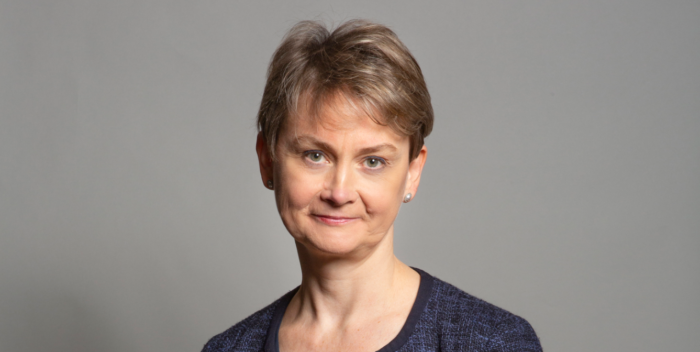
Advisers have called for continuity in maintaining government initiatives such as Keep Britain Working and the Milburn Review tackling youth labour market inactivity following Yvette Cooper’s appointment as health secretary.
Cooper is the eighth health secretary, though Steve Barclay held the role twice, since the pandemic, and the third person to hold the role this year.
Her appointment came as new PM Andy Burnham took little time to wield the axe yesterday, with Rachel Reeves replaced with John Healey as chancellor and James Murray, who only succeeded Wes Streeting in May, making way for Cooper.
Jonathan Reynolds came in as business secretary, while Pat McFadden held onto his role as work and pensions secretary.
Keeping continuity
Amid all of these comings and goings, advisers have understandably called for continuity.
Mike Hesch, head of UK employee benefits at Engage Health Group, told Health & Protection his main concern is continuity and what ends up happening following all of these appointments.
“They’ve all got their own ideas,” Hesch said. “They start implementing their own ideas. Someone else comes in, changes it, and nothing ends up being brought through to the end.
“So we need consistency of what is currently being looked at and the continuation of the initiatives and the reviews and have someone come in who says, ‘I’m new. I’m going to make a whole load of changes and do it my way’.
“I think what is currently being done is going down the right path, but there has been so much change that that path is now a zig zag path rather than a straight path to where we know we need to get to.”
Keeping Britain Working
Emma Wood, director of healthcare at Broadway Insurance Partners, picked out the government’s Keep Britain Working review in particular as “really important”.
“It’s calling for change, more collaboration between the private sector and employers and the NHS,” Wood said.
“Our sector has been calling for that for a long, long time,” she added.
“We can clearly see what the issues are and what needs to be done.
“And I think the Keep Britain Working review will definitely tackle some of those challenges and issues.”
Lack of stability
For Kristian Breeze, director of healthcare at Ascend Health, the appointment of a ninth health secretary since the pandemic highlights a deeper problem than personalities.
“There’s a lack of stability at the top of one of the UK’s most important departments,” Breeze told Health & Protection.
“Meaningful reform of the NHS, social care and workforce challenges takes years, not months,” he continued. “Constant ministerial change risks creating more policy announcements than lasting results.”
Maintaining momentum
Breeze agreed that the government must also maintain momentum behind the Keep Britain Working Review and the Milburn Review.
“However, success should not be measured by the scale of government intervention, but by whether more people are empowered to participate in work and society,” he continued.
“The focus should be on removing barriers, increasing opportunity and creating the conditions for individual success.
“The key question for the new health secretary is whether Britain needs more state-led solutions, or whether it is time to place greater trust in individuals, employers and communities to drive better outcomes for themselves.”
No real stability
Claire Ginnelly, non-executive director at Equipsme, maintained that there has not been any real stability at the Department of Health.
“But this is really important because we need to understand the direction of travel from the government and businesses will plan accordingly based on that,” she continued.
“We all know the issues that the country faces and they are going to be issues that are not turned around really quickly, so they are going to take a while to deal with them.
“So if we are forever getting a different direction, then we’re never going to be able to get a place of being able to deal with them.
“For somebody like Equipsme, it’s a smaller organisation, so by its very nature it’s an agile organisation, but that doesn’t change the fact that stability for the country as whole, and for businesses and the private sector, yes, that would be very much welcomed.”