AI tools are causing people to delay essential care and also increase their worries.
This is according to research from Axa Health showing 59% of people who check symptoms with AI have delayed speaking to a healthcare professional because the tool reassured them.
Meanewhile, the same percentage (59%) said AI had made them more worried, leading them to seek help they later discovered they did not need
The research, commissioned by Axa Health and conducted by Censuswide among an equal split of 2,000 AI users and non-AI users, found that while AI was helping people understand their symptoms more clearly, it was also contributing to rising health anxiety and inaccurate diagnoses.
Eight in 10 (78%) AI users said the technology had helped them understand medical terminology, test results or treatment plans, yet 37% said AI made them more anxious after checking symptoms.
More than nine in 10 (93%) AI users said they had used AI to check symptoms late at night, with many describing habits that spiral into more checking.
Six in 10 (59%) said one question ‘always’ or ‘often’ led them to ask more, forming what Axa Health has termed the AI health anxiety loop.
In addition, a quarter (25%) of AI users said they had received health information from AI that later turned out to be incorrect or misleading, highlighting risks around self-diagnosis.
Over the past year, more than a third (36%) checked symptoms related to mental health conditions, while 27% explored women’s health issues.
Around 11% turned to AI to check symptoms linked to sepsis and over a third (35%) of users said they felt more anxious as a result.
Meanwhile, nearly two-thirds (63%) reported that AI had made minor symptoms sound more serious at least some of the time.
AI users were more than twice as likely to delay seeking help after digital reassurance (59% vs 23%), and twice as likely to seek unnecessary care (59% vs 27%).
More than two-thirds (68%) of users said AI had made them feel more confident discussing symptoms with a clinician, and three-quarters (78%) said AI had helped them understand medical terminology, test results or treatment plans.
More than a third (36%) turn to AI first, nearly double those who visit the NHS website (19%) and 78% said AI had helped them understand medical terminology, test results and treatment plans.
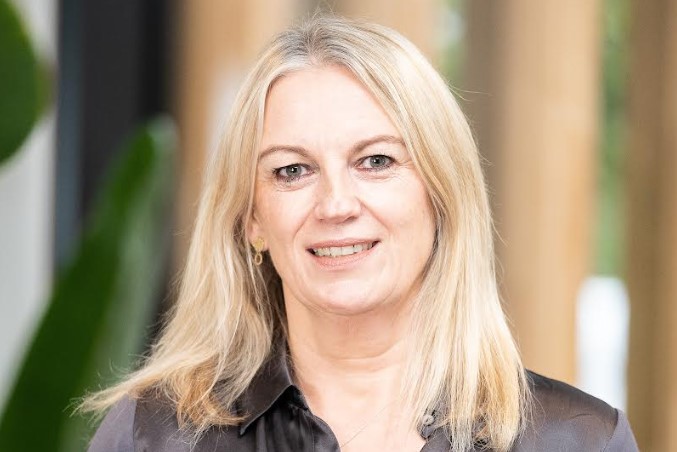
Heather Smith, CEO of Axa Health, (pictured) said: “AI is now influencing how people make health decisions – whether they decide to seek help, and when. Our findings show a complicated truth: AI can increase anxiety or give false reassurance, but it can also give people clarity and confidence. The challenge is that people are navigating this alone.
“We don’t want to discourage curiosity or the desire to understand our own health – that’s positive. But this should complement – not replace – professional medical advice. People must have access to simple, trusted support that helps them make safe, timely decisions.”
The research showed strong demand for exactly this kind of support – 74% of AI users said they wanted access to a health professional who can validate or explain AI results, and 52% said they have already asked AI to recommend services so they can seek further support.