Artificial intelligence (AI) will benefit the protection industry but “human intelligence will still make a difference” the LifeSearch Awards heard.
LifeSearch chief information officer Chris Payne said AI needs to be taken seriously but that “humans still matter”.
Alavaro Marquez, VP of experience design at Publicis Sapient, added that there is a need now more than ever to “stay human” given the rising use of AI.
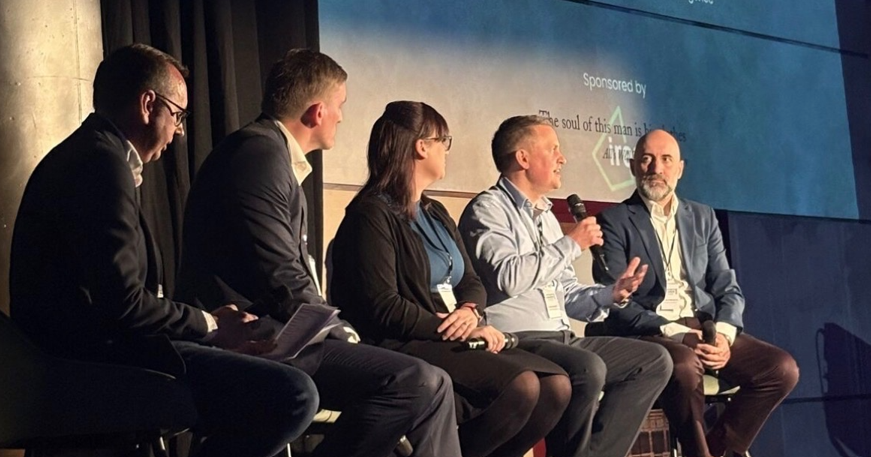
These comments were made during a panel discussion on the rise of AI in the protection industry, which was held before the award winners were announced.
Speaking on the panel, Mark Mitchell, international VP at BrightEdge Technologies, said we are living in a “new era of AI search”.
“Search is going to inform buyers more than ever before. Fundamentally, we are moving away from self-navigation – Googling – to using search as a personal assistant.”
He added that protection will be different to using search to compare car insurance quotes. “What AI will do is inform people that they might need income protection.”
But when they apply, they have to be told that due to their diabetes or their job as a pilot that they are a high risk.
“AI is tremendously powerful, but it doesn’t understand nuance…yet.
“The models you are using today are the worst they are ever going to be. They will only get better,” he added.
Human interactions
Chelsea White, senior protection adviser at LifeSearch, said people were becoming more informed thanks to AI.
The human element still has an important role to play here – however, this was not always accurate.
“A lot of products mesh into each other,” she said.
“Speaking to an adviser means we can make sure they are getting the correct and, importantly, the most comfortable solution for their circumstances.”
David Russell, senior manager of claims and underwriting strategy at Lloyds Banking Group, also believes AI needs a human touch.
“There are pre-sales underwriting tools, which generally work on decision trees,” he said.
“They will ask a set of questions, such as: tell me about the condition you think will impact your application?
“But that is generally not how human interactions work.
“One of the benefits with AI is that you can have this more conversational discussion with an applicant about their condition. Not every applicant is going to want to answer every question you have set for them. They may want to tell you something.”
Hand-holding
For White, it is difficult to see how AI can replace people.
“Some customers just want you to hold their hand throughout the entire process, explaining everything, going into detail and ask a million questions.”
She added that some customers are using AI to advise on their protection coverage, but are asking: what is the best product for me?
“They are not going deeper to see if they can get that product.
“We have to bring people down to Earth and give them some bad news.”
Mitchell concluded the discussion by reaffirming that AI is not going to be able to do human interaction. “That human experience is going to be key.
“For what you in this room are doing, that human interaction is not going away. You will have to make sure that you are filling those gaps and that nuance.”
LifeSearch executive chairman Tom Baigrie ended the event by speaking on a similar theme.