
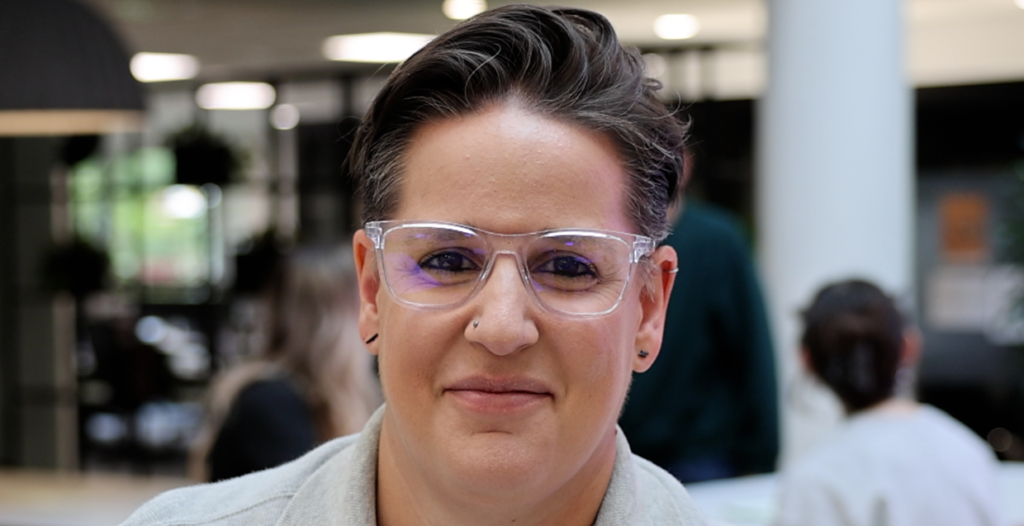
George Hayes, non-financial risk consultant and global pride network chairman at Legal & General (L&G), speaks to Health & Protection about why inclusion, wellbeing and diversity are now part of every day conversations across the industry, how this has resulted in policies becoming more inclusive, and why Pride has evolved from a burst of rainbow visibility in June to something that’s embedded throughout the year.
What have been your own experiences with regard to attitudes towards LGBT communities in the sector?
I’ve always felt able to show up as myself – not just quietly, but openly and confidently – and to advocate for others with the same level of safety and support. Over the years, I’ve seen a real shift from organisations simply complying with policy to genuinely valuing people for the skills, perspectives and lived experiences they bring.
Inclusion is no longer treated as a tick‑box exercise; it’s recognised as something that strengthens teams, improves outcomes and makes workplaces better for everyone.
The commercial and human impact of inclusion is far more widely understood now. Pride, for example, has evolved from a burst of rainbow visibility in June to something that’s embedded throughout the year. Our people networks are more energised, more engaged, and – crucially – more recognised and supported by the business.
Policies have become more inclusive, more voices are being invited into the conversation, and more people feel seen in ways that simply were not happening a decade ago. It feels like progress with purpose.
How have attitudes evolved in the sector?
When I joined L&G 16 years ago, inclusion, wellbeing and diversity were not really part of the everyday conversation. They certainly were not woven into strategy or culture the way they are now.
I have always been out and visible at work, but the environment around me has changed dramatically.
There is now a much stronger focus on allyship – not just symbolic support, but active, intentional allyship that shows up in behaviours and decisions.
Intersectionality is also becoming a more recognised and respected lens, which matters hugely for people whose identities do not fit neatly into one box. I feel the impact of that shift personally.
The work I do in this space is not only welcomed but genuinely valued, and that recognition makes a difference.
What is the sector doing well and where does it need to up its game?
We are doing a lot well. We celebrate our people brilliantly, and we have made huge strides in recognising what makes us human rather than focusing on what makes us “different”.
There is a real appetite for collaboration across networks, and that is something I have always been passionate about.
I have worked with many of our people networks over the years to help build that sense of shared purpose and allyship across the inclusion space.
But there is still room to be braver. We need to create more space for voices that can sometimes get lost or overshadowed. We need to lean into the harder conversations, not shy away from them.
Progress does not come from comfort – it comes from listening, challenging, and being willing to evolve. The foundations are strong; now it’s about deepening the work.
Do you feel encouraged and enabled to bring your whole self to work?
Absolutely – and that has been consistent throughout my time here. Even when challenges have come up, I have always felt empowered to advocate for myself and for others.
The rise in active allyship has made me feel welcome in any room I walk into, and the growing emphasis on diversity of thought has opened up even more space for people to contribute authentically.
Co‑chairing the Pride Network gives me a privileged platform to amplify voices that may have felt under-represented historically, and I do not take that responsibility lightly.
I feel safe, accepted and valued for who I am and what I bring to L&G.
I am not afraid to be visible or vocal – but I am very aware that not everyone has always had that experience, which is why I am committed to using my visibility to help create it for others.