There is “significant” opportunity for growth in the UK’s protection market if insurers target underserved new populations, MetLife UK head of individual protection Phil Jeynes has told Health & Protection.
This means low-income workers, people who speak English as a second language and those in the gig economy working two, three or four jobs and therefore may not have a main occupation.
This feeds into the findings of the FCA’s Pure Protection Study’s interim report, which concluded that insurers and distributors need to focus on getting more people covered.
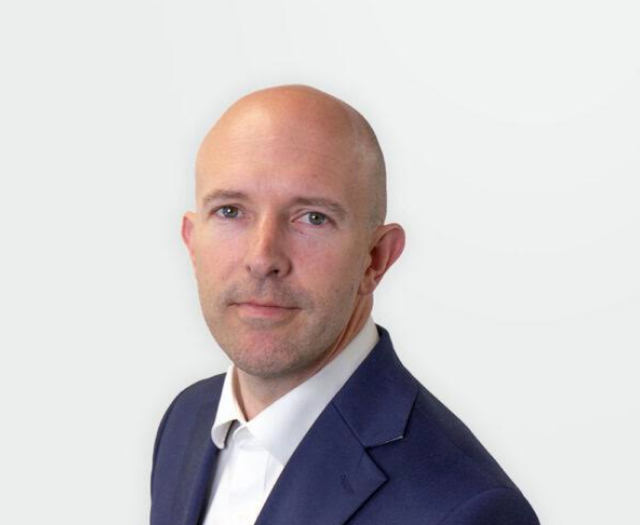
For Jeynes (pictured), to achieve this means offering products aimed at sections of society that “we [as an industry] haven’t engaged brilliantly with in the past”.
“These are large areas of society which are only going to grow and yet if you look at a traditional protection product, it doesn’t fit their lifestyle particularly well,” Jeynes said.
“That, it seems, is the sort of thing the regulator is pointing us towards being a good direction for the industry to take,” he added.
Relevant and tangible
One positive trend Jeynes is seeing is insurers making protection policies more tangible and much more relevant to people’s everyday lives.
This includes offering services such as round-the-clock access to GPs virtually.
Value-added services such as these are why advisers talk to customers more regularly about protection, he said, which are products people hope they will never use.
Jeynes spoke to Health & Protection in the same month MetLife published research which found 77% of adults in the UK are concerned about paying their mortgage, yet more people reduced their level of cover or even cancelled their policies than they did last year.
“The worry for anybody in the protection market, be that an adviser or provider, is that we keep talking about the protection gap but haven’t managed to close it,” Jeynes said.
“If you layer on top of that the challenges a lot of households’ face in terms of the cost of living continually increasing, it should always be a concern that people cancel what should be a fundamental safety net.”
‘Healthy cynicism’
Trust will be a huge factor in closing this gap.
Jeynes has worked in the protection industry for decades and seen few incidents that he could describe as poor practice, mis-selling or doing a bad job by consumers.
However he notes it has been a different story in the wider financial services industry with huge scandals that have eroded public trust involving personal protection insurance, sub-prime mortgages and the mis-selling of endowments.
There is a “healthy cynicism in the population around financial services products doing what it says on the tin,” Jeynes said.
But his response to the cynics is that along with a lack of scandal, more than 90% of claims are paid out across the protection industry.
“Much like a seatbelt. You don’t think about it until you are in a car crash and the thing works,” he added.
‘Serve a different demographic’
Part of the problem seems to be that the industry is failing to get its message across.
“You would be hard pushed to say otherwise given the protection gap, which we as an industry are struggling to close,” he said.
“That is not to say that there is not good work going on, but the evidence does not support that we are closing that gap.”
This is where product innovation is needed rather than putting “a slightly different slant on existing products”.
“Products need to be different from the ones already out there to service a different and new demographic,” he said.