[SPONSORED CONTENT]
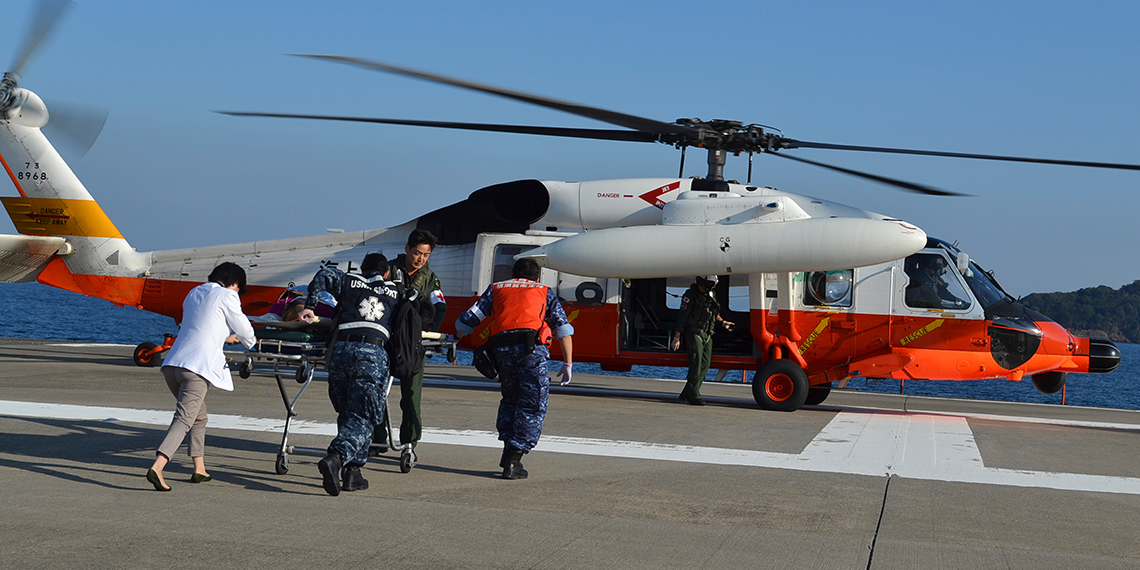
Medical evacuation has typically been considered in more complex or challenging situations, often involving remote environments or elevated risk.
However, it is increasingly viewed through a wider lens, reflecting how differences in healthcare access and system resilience can shape risk for internationally mobile populations.
Across global workforces, mobility is increasing while certainty is not. Business travel, international assignments and remote deployments continue, yet the environments employees are entering are shaped by overlapping pressures.
Medical evacuation trends show how geopolitical instability, healthcare system strain, climate disruption and wellbeing risks are converging in new ways.
A changing risk map
One of the most striking changes in evacuation patterns is where cases are originating.
While evacuations from conflict-affected or remote regions remain common, more cases are now emerging from established commercial hubs, such as parts of Southeast Asia and the Middle East.
In these locations, access to timely and appropriate care can be compromised by workforce shortages such as limited availability of specialist clinicians or critical care staff, or sudden demand spikes following regional crises.
Climate events are also accelerating evacuations. Extreme heat, flooding and wildfires are affecting infrastructure, mobility and continuity of care, turning manageable medical situations into urgent relocation scenarios.
Evacuation decisions today are increasingly driven by the reliability of healthcare access rather than geography alone.
Rising complexity behind evacuation decisions
Medical evacuations are also becoming more complex.
Decisions increasingly involve clinical, logistical and situational considerations rather than a single acute medical trigger. Even where treatment is theoretically available, the ability to access it quickly, safely and consistently is not guaranteed.
This growing complexity reflects broader challenges in accessing timely, appropriate care across borders.
Factors such as local healthcare availability, coordination and continuity of care can determine whether treatment is viable in‑country or requires evacuation.
The rise of non-traditional evacuation drivers
Medical evacuations are not solely about trauma or severe illness.
Mental health-related evacuations continue to rise, particularly in environments with limited local support, cultural barriers or heightened stress. Isolation, anxiety and delayed care can escalate quickly, requiring evacuation even when physical health services are available.
This shift reinforces an important insight for employers. Medical evacuation is not only a crisis response.
It is a signal that preventive and early-access support may be missing or misaligned with employee needs.
This trend aligns with guidance from the World Health Organization and employer duty of care frameworks, which highlight how limited access to timely mental health support in high-stress or unstable environments can lead to rapid escalation and emergency relocation.
Dr Shoba Subramanian, Medical Director at UnitedHealthcare Global, explains: “Medical evacuation data gives us a window into the changing nature of global risk.
“We are seeing more cases driven by combinations of environmental, medical and psychological factors. Employers who use this data proactively are better positioned to protect their workforce and maintain resilience.”
Implications for employers
For HR, mobility and risk leaders, evacuation trends highlight the limits of static risk frameworks.
Traditional country risk ratings struggle to account for fast-moving disruption or system-level healthcare pressures. Preparedness now depends on early escalation, real-time intelligence and access to clinical expertise.
Delays in decision-making can materially increase risk for both employees and employers, particularly in volatile or unfamiliar environments.
Organisations that combine proactive support with rapid response capability are better positioned to manage these moments effectively.
In an increasingly unpredictable global environment, medical evacuation remains a vital safety net. What has changed is its role as an indicator.
Understanding what drives evacuations enables employers to move beyond reactive response and build more resilient, people-centred risk strategies.
Organisations that invest in accessible medical advice, virtual care and early intervention often see fewer escalations to evacuation. Where these resources are absent, medical issues can intensify rapidly, increasing both human and operational impact.
From reactive to resilient
The most resilient employers treat medical evacuation as an insight, not just an outcome.
Evacuation trends can inform stronger duty of care strategies, develop better partnerships and more responsive wellbeing support for globally mobile populations.
Medical evacuation will always remain a critical safety net. What has changed is its role as an indicator of global risk.
Understanding what is driving evacuations allows organisations to move from reactive decision-making to informed, people-centred risk management in an increasingly unpredictable world.
To explore more insights from UnitedHealthcare Global visit our content hub – here.
____________________________________________________________________
Sources
1 World Health Organization: Strengthening health system resilience and emergency preparedness
2 World Health Organization: Mental health in emergencies: a lifeline, not a luxury