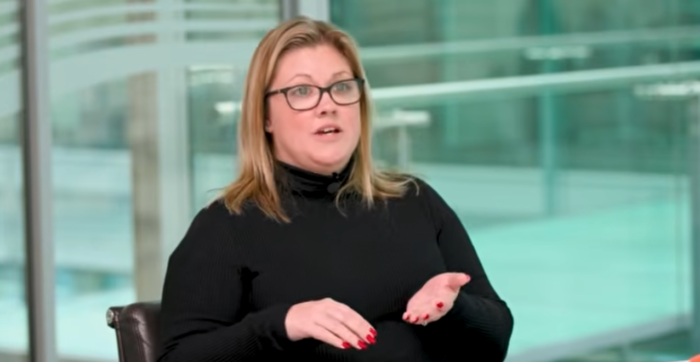
Ahead of World Mental Health Day (10 October), Charlotte Rogers, protection specialist at Radcliffe & Co, tells Health & Protection about why the right workplace support enabled her to return to work after losing her partner to Adult Sudden Death Syndrome in January 2016.
Fantastic employer
“It really affected me as I was at a stage of my life where we were making long-term decisions including children,” Rogers says.
“My employer was absolutely fantastic. I was a protection account manager at LV= at the time.
“They allowed me the time I needed off to arrange the funeral and encouraged me back to work in a very gradual way.”
Back to work
But Rogers reveals that this support meant that within six months she was back to full-time work, and while she was offered a transfer into pensions, she drew on her experience to educate the advisers she supported around two key protection areas.
“This was about protecting young people and writing the policy into trust – it is well documented that I was not the eventual beneficiary of Joe’s policy and lost my home. I have campaigned heavily since about beneficiary nomination. By talking about my experiences and the struggles I was facing, I was able to keep Joe’s memory alive and work through the challenges. I credit open conversations and the supportive environment I was in as the reason I did not suffer from negative mental health.”
Leaning on experiences
Rogers reflects that with the right support, she has turned her energies into more positive outcomes, filling her time with charity work and spending her career educating advisers.
“I think advisers could lean on others’ experiences, if not their own, to educate clients and I do not think all advisers are good at this,” she continues. “There is an awful lot of experience which is shared within the industry; real stories resonate with clients much better and should be encouraged.
“Advisers should not be scared about giving the right protection advice rather than looking at it ‘as a sale’.
“Employers can be sympathetic to possible mental health struggles and I think we as an industry can promote workplace support (e.g. through EAPs and group schemes) much more proactively or encourage clients to use the value-add services their own policies provide.”